
Posts about the 2025 municipal elections in Kirkkonummi and key themes in local politics.
Education was the central theme. Now that social welfare and health services are the responsibility of the wellbeing services counties, it is the largest and most important task left to municipalities. I wrote about early childhood education, cuts to vocational education and tuition fees in upper secondary education, and about why a growing Kirkkonummi needs a vibrant centre and long-term planning. Before the elections I also published a series of essays on immigration, because most of Kirkkonummi's growth comes from immigration and a useful debate needs precise terms.
Shared municipal money must be spent on the basis of knowledge, not assumptions, so I urged voters to challenge candidates on what their claims are based on. In the elections I was elected to Kirkkonummi municipal council.
Start here
-
Municipal elections decide everyday matters
Municipal elections may seem complex, but they decide everyday matters: schools, daycare and transport connections. You have the power to influence them.
-
Standing in the municipal and regional elections 2025
I am standing in both the municipal and regional elections in 2025. My priority is securing good opportunities for children and young people.
-
Education is the municipality's most important task
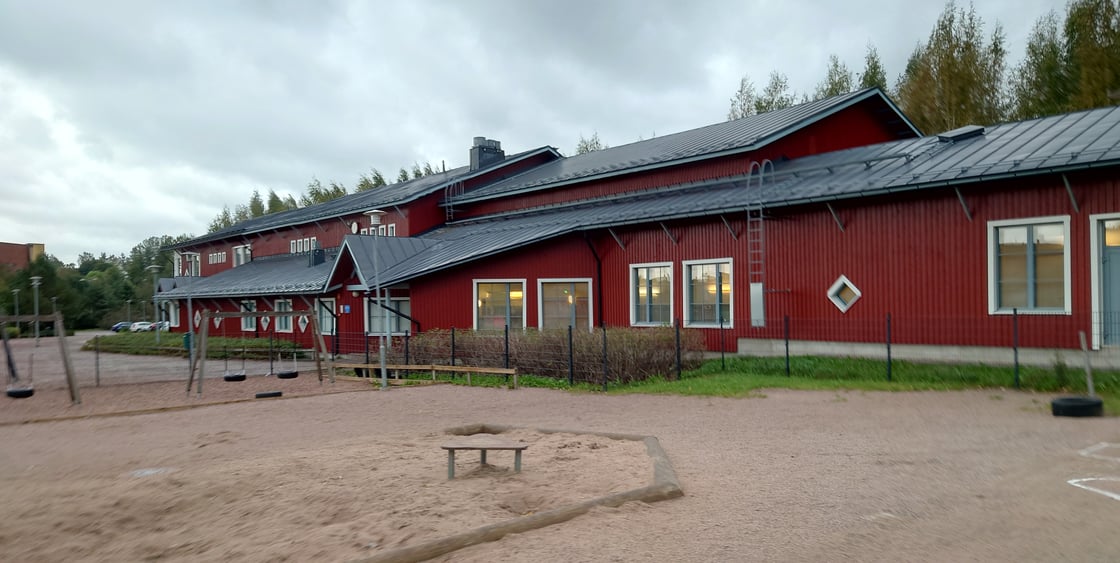
Education is the municipality's most important task. Investment in education pays off far into the future — there are no quick wins.
Related posts
-
An absolute no to upper secondary tuition fees
The government wants to place upper secondary students in unequal positions based on citizenship. Tuition fees must be opposed absolutely.
-
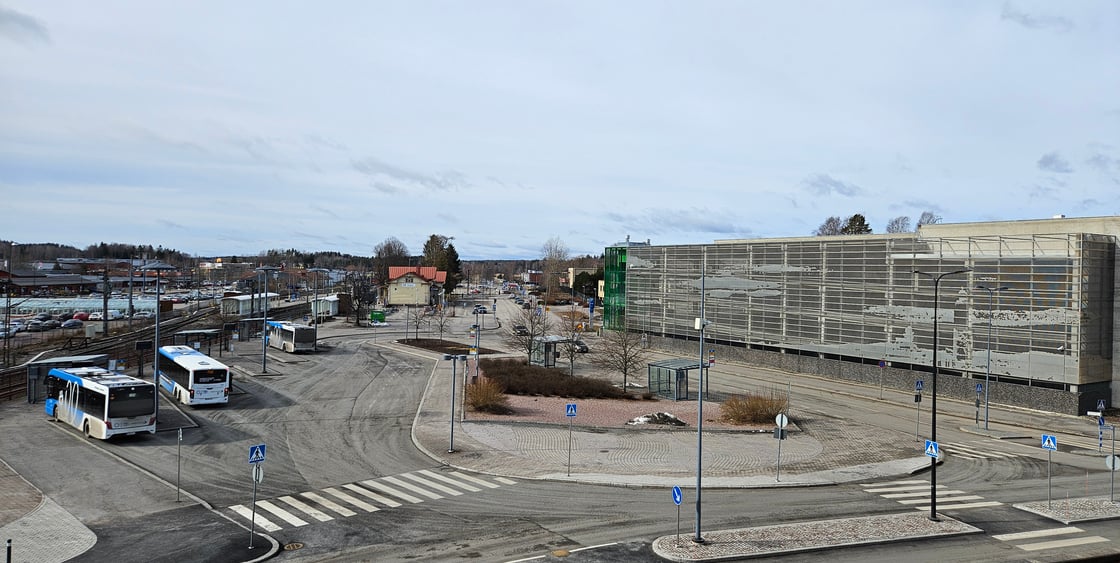
A growing municipality needs a vibrant centre
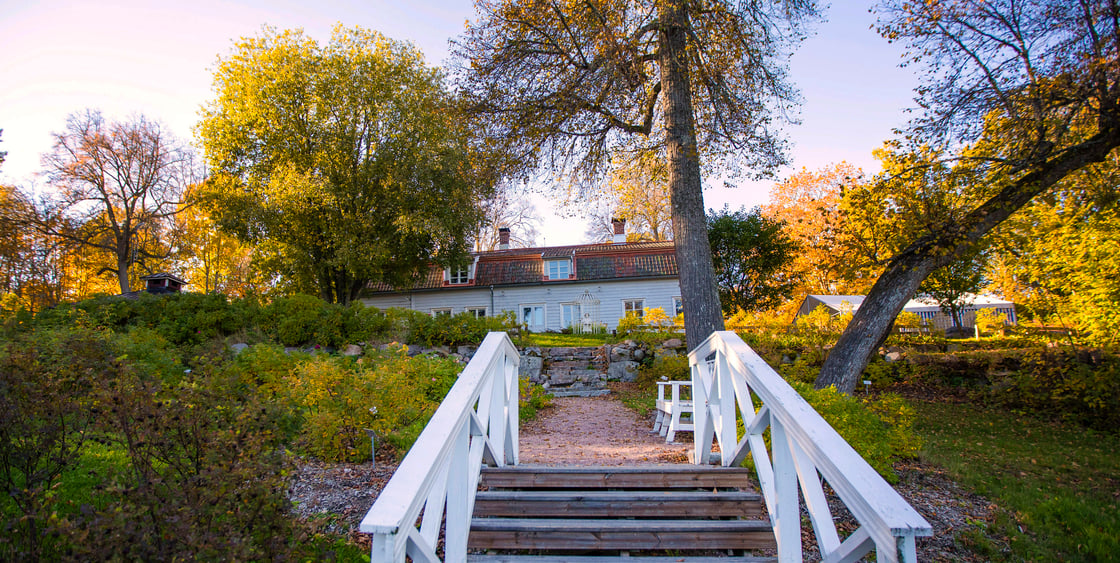
Kirkkonummi's centre renovation is a golden opportunity. A vibrant centre attracts residents and businesses — and improves the municipality's finances.
-
Assumption is not worth knowledge
Parties market themselves with images and slogans. It pays to challenge candidates on what their claims are actually based on before casting your vote.
-
Together we are stronger
Growing polarisation and inequality-creating policies unnecessarily divide our small nation. History shows we fare best when we cooperate.
-
Essays on immigration: on asylum seekers
There are many misconceptions about asylum seekers. It is important to distinguish facts from myths — seekers do not live at taxpayers' expense.
-
Essays on immigration: those granted asylum
Receiving asylum is not automatic — it is a carefully defined process. Too often we forget the actual people behind the applications.
-
Essays on immigration: those who came to study
Students who come to Finland from abroad bring skilled workers. Yet we still have major challenges with their employment after graduation.
-
Essays on immigration: labour-based immigration
Labour-based immigration helps solve Finland's labour shortage. However, better conditions for integration and employment are still needed.
-
Is education under special protection?
Education is being cut deeply, despite government claims to the contrary. Index increases and legal reforms do not cover hundreds of millions in cuts.
-
Essays on immigration: family-based immigration
Those who immigrate on the basis of family ties are a diverse group. They are often further along in integration than other immigrant groups.
-
Essays on immigration: the scale of immigration
In immigration discussions, volumes are often left unmentioned. Finland's immigration is a fraction of comparable countries' levels.
-
Essays on immigration: on the immigration debate
The immigration debate has long been dominated by critical voices. It is time to examine the topic more evenhandedly, based on facts.
-
One step forward, two steps back
The government is making necessary reforms to upper secondary education, but they do not compensate for €120 million cuts to vocational education.
-
Responsibility for a better future lies with us adults
Young people are living through crisis after crisis. The responsibility for a better future lies with us adults, not with the young.
-
The municipality must plan for the long term
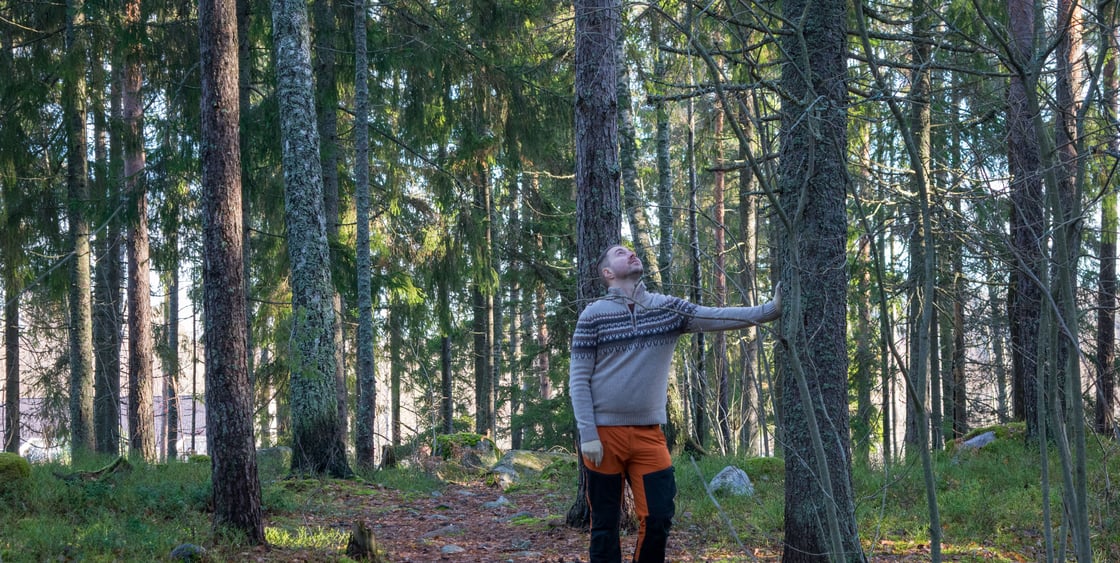
Municipalities must plan for the long term. Short-sighted decisions lead to extra costs and poorer services for residents over time.
Related topics
Frequently asked questions
What does local politics mean in everyday life?
Local politics can feel complicated, but in the end it is about everyday matters. Where the local school or day-care centre will be, where a road or a sports field will go, whether young people have space and opportunities to be safe, and whether we invest in the future and in growth. In municipal elections, residents choose from among themselves those they believe can best promote the interests of the municipality and its residents for the next four years.
Why did Lauri Lavanti stand in the 2025 municipal elections?
In politics, what matters most to me is caring for the opportunities of children and young people. Underpinning this is a vibrant Kirkkonummi that needs entrepreneurship, jobs and culture, within the limits that nature allows. Because these are public funds, decision-making must be open, transparent and democratic. My election themes were early childhood education, education and public transport. I was elected to Kirkkonummi municipal council; in the regional elections I was not elected.
What does a vibrant centre bring to the municipality?
A vibrant centre attracts new residents and businesses, and it is the best way to strengthen Kirkkonummi's finances and services in the long term. Every new resident means more tax revenue, which keeps early childhood education and schools high-quality. Providing services is also more efficient when more residents live within walking distance. Near the railway station, a family with children could run errands without a car, and both nature and services would stay secure.