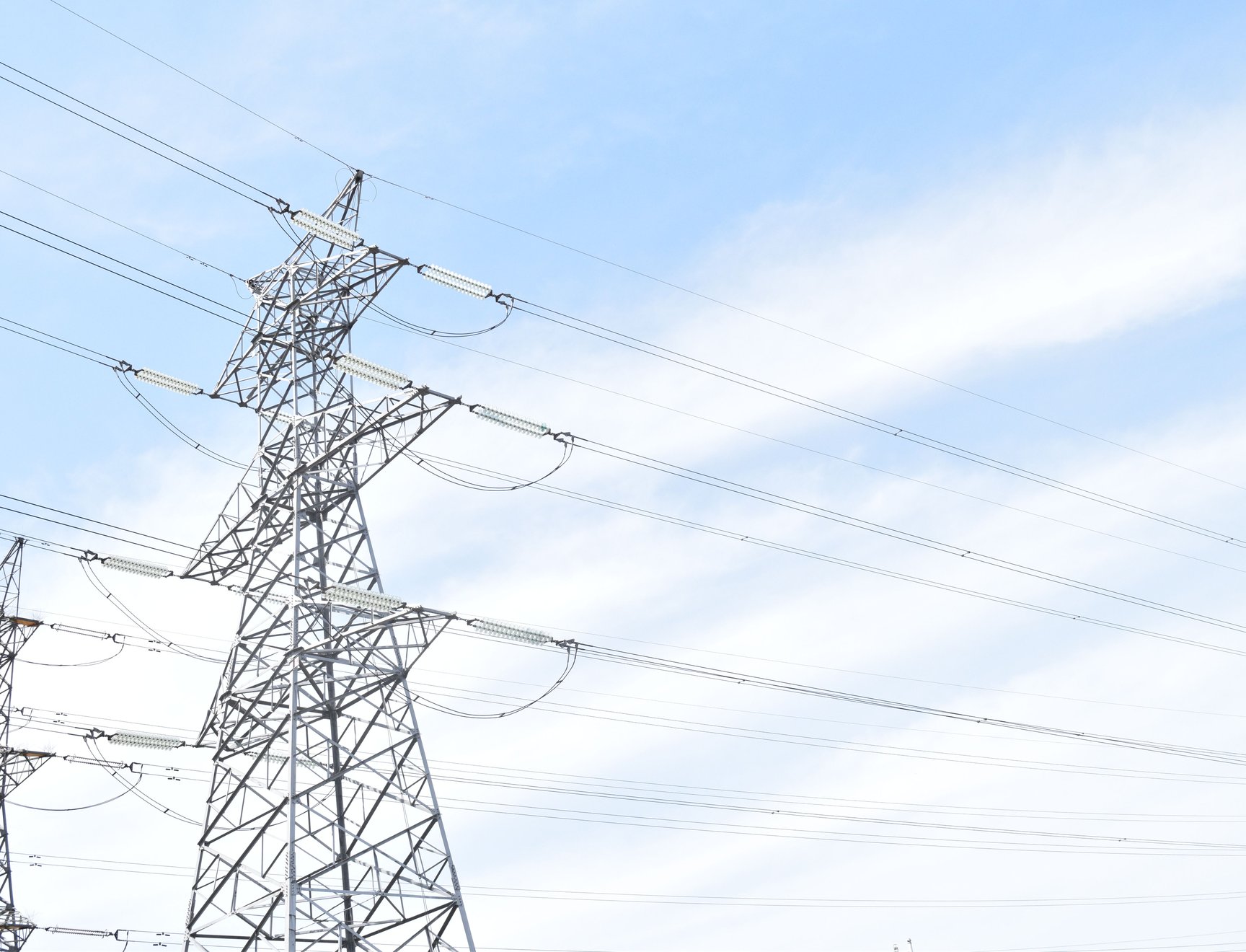
Caruna, Finland’s largest power distribution company, is changing owners as Spanish energy company Iberdrola has agreed to buy a majority stake. The deal valued the company at roughly five billion euros. Because power grids are a natural monopoly, they are however heavily regulated, and the change of ownership matters less than the commentary might suggest.
Why isn’t power supply the bottleneck?
Data centers, along with electrifying industry, transport and heating, are putting growing strain on the power grid. At the same time, Finland has already permitted more clean power production than can be built in the coming years. The University of Helsinki’s recent data center study also finds that the bottleneck isn’t power supply — it’s the transmission grid.
Does ownership decide the grid’s future?
Complex systems rarely have simple solutions, and the power grid is a good example. It is a technically complex whole that must always stay in balance, and it is tied to the transmission grid’s natural monopoly, which only works when carefully regulated. Pricing is supervised regardless of the owner, and major electricity consumers, such as data centers, connect to Fingrid’s national grid. Capital for strengthening the grid is welcome. Ownership doesn’t decide the grid’s future. What matters most is sound regulation.
Can the new owner raise transmission fees freely?
A new owner can certainly raise transmission fees, but not freely. The Energy Authority supervises whether pricing is reasonable. Regulation tied to grid investment limits increases. Regardless of ownership, strengthening the grid is ultimately paid for by the consumer, whether through transmission fees or taxes.
Whether Finland’s power grid enables electrification at scale is largely up to political decision-makers. At its best, Finland can turn electrification into a competitive edge. Clean power production and a resilient power grid are the infrastructure modern services are built on.
I’ve also written more about infrastructure: about digital independence and about the West Railway.
Frequently asked questions
Who is buying Caruna?
Spanish energy company Iberdrola agreed to buy a majority stake in Caruna, Finland's largest power distribution company. The deal valued the company at roughly five billion euros.
Why doesn't the ownership change threaten electricity prices?
Power grids are a natural monopoly whose pricing the Energy Authority supervises regardless of owner. Regulation tied to grid investment limits how much transmission fees can rise.
What is the real bottleneck in Finland's power grid?
The power grid is Finland's real bottleneck, not production capacity. Finland has already permitted more clean power production than can be built in the coming years, according to a University of Helsinki study.
Can the new owner raise transmission fees freely?
No. The Energy Authority supervises the reasonableness of pricing, and regulation tied to grid investment limits the increases. Whoever owns the grid, the consumer ultimately pays for strengthening it, through transmission fees or taxes.
Does ownership decide the grid's future?
No, what matters most is sensible regulation. The transmission grid is a natural monopoly whose pricing is supervised regardless of owner, large consumers such as data centres connect to Fingrid's main grid, and capital for strengthening the grid is welcome.
Is there enough electricity in Finland for data centres?
Yes: Finland has already permitted more clean power production than can be built in the coming years, as the University of Helsinki data centre study also notes. The bottleneck is the transmission grid, which data centres and electrifying industry, transport and heating are loading ever more.
Other posts
-
Data Centres Can Be Finland's Ace in International Politics
A leaked US cable exposed lobbying against data sovereignty. Data centres can be Finland’s ace in international politics, if we build them on our own terms.
-
Stability Brings Investment, Erratic Policy Drives It Away
Google's €13 billion investment came from a functioning electricity market. A price cap would remove the price signal exactly when it is needed most.
-
Digital independence: 5 + 1 choices for everyday life
Digital independence is built through everyday choices. Here are 5 + 1 concrete ways to strengthen it and digital security of supply yourself.