
I use and build AI tools in my work every day. AI is the most significant technological shift of our time, and Finland must engage with it actively — so we get the benefits, not just the harms.
AI amplifies both capability and harm. In public-sector applications — benefits decisions, permit processing, predictive policing — the stakes are too high to deploy systems without transparency and oversight. I advocate for auditable algorithms in consequential decisions, open AI models where feasible, and mandatory human review for decisions that affect individual rights.
The more powerful AI becomes, the more important privacy protections are. AI systems are data-hungry; without strong data protection rules, they become surveillance infrastructure. The EU AI Act is a step in the right direction, but implementation must be genuine — not just a formality.
Start here
-
AI cannot do everything
AI has been presented as a solution for improving public services. It may have a role, but cannot replace people or clear strategic planning.
-
AI changes what developers get paid for
AI does in two minutes what used to take a developer two weeks. The price of code is collapsing — but what will developers get paid for instead?
-
AI helps secure municipal services, but it is not free
In Konnevesi, AI cut processing time for road grants from two months to days. Kirkkonummi is too small to act alone — but collaboration makes change possible.

Related posts
-
Digital independence: Finland's ability to choose
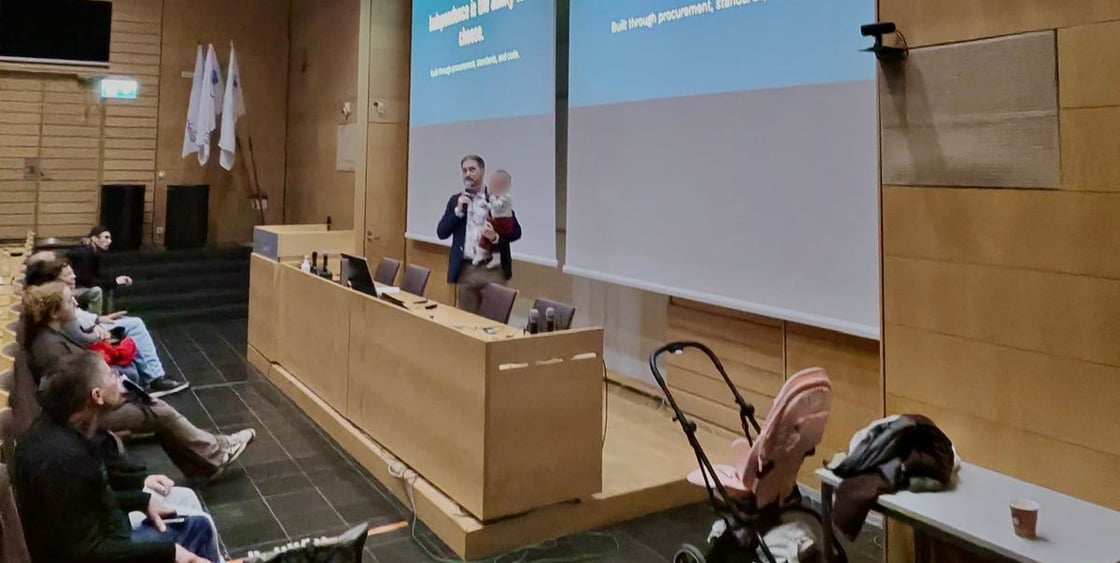
Digital independence is the ability to choose. My talk at Happy Hacking Day: where Finland and Europe stand now, and how procurement, standards and code help.
-
YEL must not raise the entrepreneurship barrier
Finland's YEL reform would scrap the new-entrepreneur discount just as AI lowers the barrier to starting a business. Three fixes that keep the barrier low.
-
Running for parliament in 2027: Finland needs digital independence in the age of AI
I am running as a Green candidate in Uusimaa for the 2027 parliamentary election. My goal is a digitally independent Finland in the age of AI.
-
2026 is the year of AI
AI is changing society — but perhaps not as you imagine. The biggest changes will be in private life and in the everyday lives of children.

Frequently asked questions
How should AI be used in public services?
As a tool for well-understood problems, such as the slow recording of a doctor's observations, and always under human oversight. In Konnevesi, AI prepares a draft decision, which an official then reviews and approves. A good rule of thumb is that a machine should never make a negative decision, and unclear cases always go to a human. AI cannot be held officially accountable or replace human interaction, so expert assessment is still needed.
How does AI change work?
AI does not replace coders. It changes what they get paid for. Software is the first industry where this shows: according to Professor Pekka Abrahamsson of Tampere University, AI does in two minutes what used to take a developer two weeks. Routine production is automated, while decision-making, recognising context and bearing responsibility grow in value. Every industry with repetitive knowledge work faces the same change, and Finland still lacks coordinated initiatives on reskilling and safety nets.
How does AI threaten fundamental rights?
AI makes mass surveillance technically easier, which is exactly why legislation has to hold the line on fundamental rights. The same principle that made the European Parliament right to reject the chat control proposal applies to any automatic scanning of private messages. Without strong privacy protection, democracy cannot function, and AI must never be used to weaken it. Fundamental rights have to be the starting point for all legislation.